
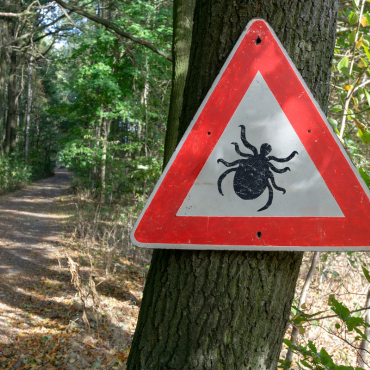
Scientific Facts About Black Cumin (Nigella sativa)
Get ready—you’ll probably find yourself thinking about this often because of your dog.
I apologize in advance if some phrasing isn’t perfectly precise—translating scientific research from English isn’t always easy. I’ve done my best to extract the key points, and at the end you’ll find the original source so you can read further if you’d like.
Many plant-derived compounds have potential insecticidal, growth-inhibiting, or repellent properties.
This study examined the in-vitro effects of 36 substances on ticks.
Different water-based and alcohol-based preparations of black cumin and thyme were used.
**“Chemical control is a commonly used strategy in everyday life. Synthetic insecticides have become the frontline of pest control. However, the environmental hazards of these chemicals, their effects on non-target organisms, and the increasing resistance of insects to insecticides have all risen over the past five decades.
There is a growing demand for environmentally friendly, biodegradable, and target-specific insecticides. Numerous plant-derived compounds possess potential insecticidal, growth-inhibiting, or repellent properties.
Essential oils—secondary metabolites of plants—are odor components that can be extracted from plant tissues by steam distillation or supercritical fluid extraction. They are complex mixtures of mono- and sesquiterpenes and related phenolic compounds.
Essential oils and their volatile constituents are frequently used to prevent and treat human diseases. Various essential oils (garlic oil, onion oil, etc.) have also been documented to exert acute toxic effects against insects.”**
The full study is available here:
https://www.ncbi.nlm.nih.gov/pmc/articles/PMC4906754/
Personally, I’m not a fan of commercial extracts.
There are herbs whose alcohol or glycerin extracts act faster than dried herbs (this is not about essential oils), but their dosage and treatment duration must be extremely precise, and they are usually individual-specific.
We’ve been using black cumin oil regularly or in courses ever since it became available in our Shop.
It has many beneficial effects: studies confirm its repellent properties, and it also has strong anti-inflammatory effects, supports digestion, coat quality, and overall health.
The taste isn’t the best—but our dogs actually like it.
When we go into tick-heavy areas, the whole family gets generously sprayed, plus a few drops of black cumin oil, and sometimes coconut oil on socks, harnesses, and paws.
As colder weather approaches, prevention becomes even more important.
Ticks tend to hide—but not before having one last big feast.
And I simply prefer walking my dogs in the forest knowing we’ll come home with the same number we left with.
Yes, there are chemical preventatives, tablets, and similar solutions—but they don’t repel.
They only work after the tick or mosquito has already bitten. That means the tick may still crawl around on your dog for a while and possibly drop onto your living room carpet afterward… not my idea of fun 😬
That’s why I spray and oil them with everything natural and effective I can.
Have a healthy day!
Magyari Detti
canine herbalist


