
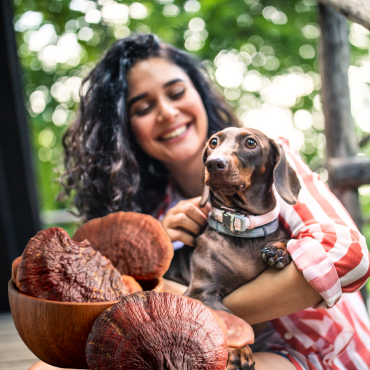
The mushroom of immortality.
That’s how Ganoderma lucidum, also known as Reishi, has been described in Eastern medicine for centuries. Who wouldn’t wish their dog could live forever? While even this remarkable mushroom can’t grant eternal life, it can help extend the healthy years you share together.
Blog
Get ready—you’ll probably find yourself thinking about this often because of your dog.
I apologize in advance if some phrasing isn’t perfectly precise—translating scientific research from English isn’t always easy. I’ve done my best to extract the key points, and at the end you’ll find the original source so you can read further if you’d like.
Pollen season has become increasingly intense in recent years and is no longer limited to spring.
While there are stronger and milder periods, in reality we need to expect potential pollen allergies all the way until November.
Unfortunately, during these months there isn’t much many dog owners can do when their dogs suffer—except trying to relieve the constant itching.
Beef Kidney, Heart, Liver and Spleen for Dogs? Why wouldn’t you feed them when they’re THIS healthy?
Eat more organ meats!
(Which, for dogs, often even count as muscle meat.)
Many people wrinkle their noses at the thought of organ meats—but trust me, your dog won’t hesitate for a second.
You might not be ready for a plate full of liver or kidney, but for your dog, these organs are incredibly valuable sources of daily vitamins and minerals.
Get to know Echinacea better and discover its beneficial effects on your dog’s body.
Echinacea was one of the most important medicinal herbs used by ancient Native American healers. It doesn’t force the body, but supports it in producing the best possible response on its own.

Is it forbidden to give herbs and humic acid at the same time?
This is a question we receive very frequently — and just yesterday a dog owner asked it again in a message.
Let’s first look at where humic acid comes from.
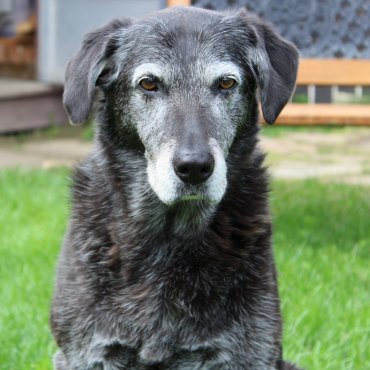
Every living being ages — and sadly, dogs do too. And yet, deep down, every dog parent secretly hopes their own dog will somehow live forever.
That goofy little puppy who cried through the first few nights, chewed your shoes, looked at you with innocent eyes when potty training didn’t quite work out… or begged the bite right out of your mouth with teary eyes — that pup may now be slower, have white fur around the muzzle, less mischievous eyes, and more and more little “quirks.”
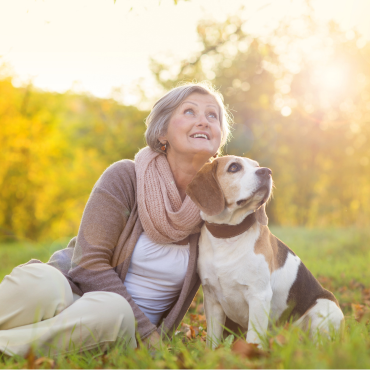
It’s an interesting topic, because no two dogs experience aging the same way — just like people.
I know 16-year-old dogs who are as active as an average 8-year-old, and I’ve also met many dogs who show signs of dementia as early as 8–9 years old.
Aging affects everyone differently, and that’s completely normal.
There are general guidelines for when a dog is considered a senior, but what truly matters is that you observe and recognize the signs of aging.

Dogs vomit. That’s a fact, and there’s no point sugar-coating it.
In most cases, it’s not a serious issue and passes quickly.
But what about acidic or bile vomiting, which can be yellow, foamy, slimy or greenish, usually odorless and often occurs once a day?
I wouldn’t say that. Especially not if your dog lives indoors with you.
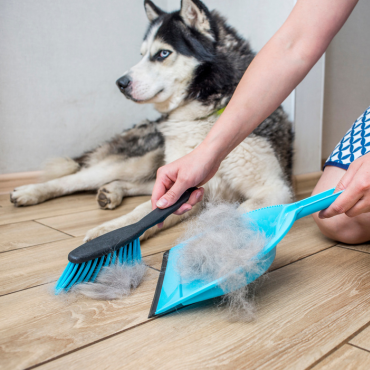
Shedding is a natural sign that a warmer or colder season is approaching, and your dog’s coat is preparing for the change.
Before warmer weather, dogs try to get rid of the insulating undercoat that protected them during winter.
Before colder weather, the lighter topcoat is replaced with a denser, warmer one.
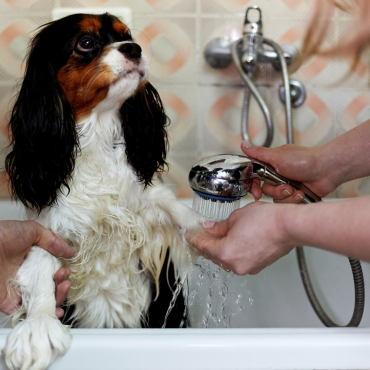
I often read that dogs’ paws should be disinfected after walks.
But disinfection is not the same as cleaning.
Disinfection involves chlorine or other chemicals that kill microorganisms and make surfaces temporarily hostile to bacteria and viruses.
This is not the same as cleaning — because healthy skin is home to many beneficial bacteria and microorganisms.
If we destroy them, the skin’s balance is disrupted, which can lead to:
eczema, inflammation, allergic reactions and irritation.
You wouldn’t do this to your own skin — and you shouldn’t do it to your dog’s either.
No matter how “eco-friendly” or “hypoallergenic” a cleaning product claims to be.
In short:
A dog’s body and paws should only be cleaned with dog shampoo, dog soap, wipes or dry shampoo.

More and more people are replacing kibble with other feeding styles, most commonly cooked meals or raw feeding. I generally consider both better than kibble. I’m not here to debate it. There are reputable companies making good kibble — but you still don’t fully see the entire process.
Why bother making herbal infusions and mixing herbs when there are already multivitamins and “immune boosters” for dogs?
Because most vitamin products contain extracts, which often include only one or two of the beneficial compounds found in the whole herb. Trust me: you’ll get much better results with these three recipes — as long as you follow the preparation and dosing instructions.
Shall we begin? 🙂
Amazing!

I’m not going to start with – and I’m not going to end up saying later – that only our products are “the best” and everything else is bad. That would be a lie.
I want to share general facts with you that will help you make more confident decisions when choosing care products for your dog, instead of relying on random people’s opinions or anonymous online profiles.
You were happy you made it to the end of yesterday’s “smartypants” post, right? 😄
Today we’ll do a little more smartypants-ing — only so you can better understand how your dog’s skin works and what it does… beyond simply “holding your dog together” and growing fur 🙂
This post might be a bit more on the “dry” side… but I can’t really explain it properly any other way so you can understand why proper nutrition and healthy digestion are absolutely key to your dog’s health.
Of course, I’ll try to spice it up with my amazing sense of humour 😄 – or is it just me quietly laughing to myself? :))))
Alright. Serious mode! 🙂
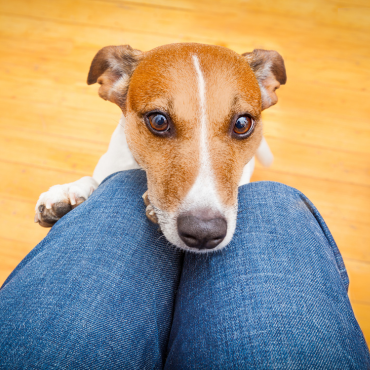
Oh yes… we all know this one.
Those sad puppy eyes, the begging – and let’s be honest, it’s also incredibly cute when they misbehave.
Instead of setting boundaries (and no, I don’t mean aggression), many people grab their phones, start filming or taking photos, and post them on Facebook right away – hoping for lots of likes as confirmation that what they’re doing is okay.
Don’t get me wrong.
I love those videos. And at home, I’m definitely the “good cop”.
But deep down, I know: it’s not entirely right 😄
Many of you already know that this year I finally found the perfect course – and successfully completed it.
I officially became a certified canine herbalist. Funny enough, this term didn’t even really exist in Hungarian before 😄
My goal is to help you with herbal recipes and natural solutions, so you can support your dog’s health in the most natural way possible.
That’s why Tuesdays are now all about recipes.


